Nov. 11, 2025
If you want a plant-based protein that combines nutritional quality, formulation flexibility and broad market acceptance, plant source soybean protein powder is a proven choice. Below is a practical, fully original guide you can use as product page copy, a sales brochure, or a buyer primer. The writing is practical and direct, designed to convert procurement interest into confident purchases while giving end users the clarity they need.
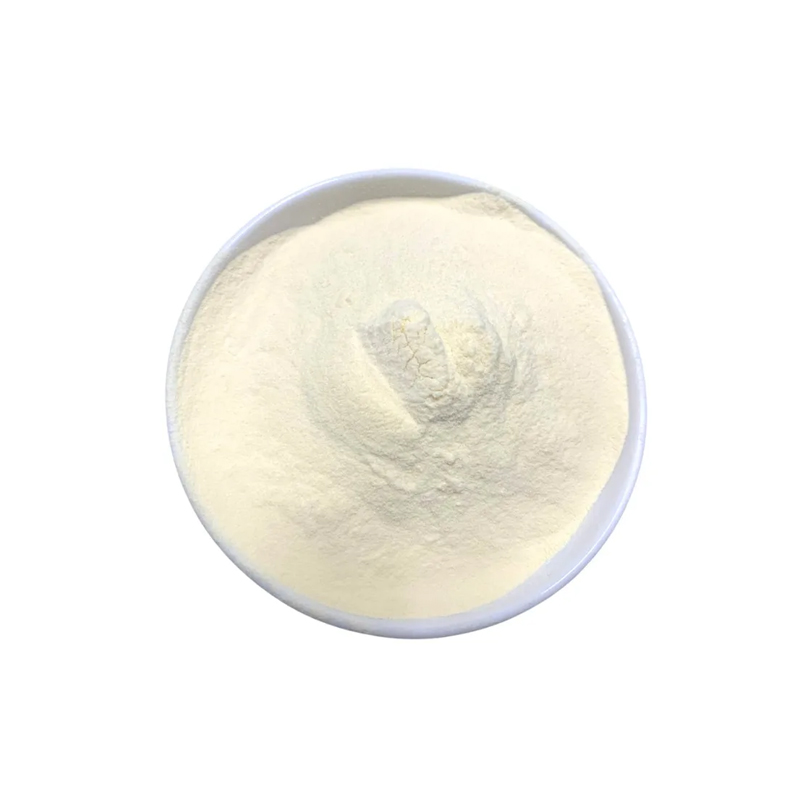
Soybeans are unique among legumes for their high protein content and favorable amino acid profile. That’s why plant source soybean protein powder is widely used across sports nutrition, food fortification and plant-based product innovation. Compared with many other plant proteins, soy delivers a complete essential amino-acid set and often offers high protein per serving when processed into isolate form. That makes it attractive where nutritional equivalence to animal protein is important.
Understanding product form helps buyers match the right grade to their use case:
Soy protein isolate (SPI): typically 85–90% protein on a dry basis, minimal fat and carbohydrate, and high solubility — ideal for beverages, nutrition powders and clinical formulas.
Soy protein concentrate (SPC): 60–70% protein, with more fiber and flavor; useful in meat analogs and bakery applications where functionality and cost balance matter.
Textured soy protein (TSP): processed into fibrous matrices for meat-alternative structure.
When you specify plant source soybean protein powder, name the form you need — isolate for clear beverages, concentrate for texture and cost efficiency.
To evaluate suppliers quickly, ask for a concise technical sheet that includes these fields:
Protein content (%) on dry matter.
Solubility and dispersibility (cold-water or hot).
Amino-acid profile and PDCAAS or DIAAS if available.
Moisture, ash and fat.
Residual solvents/processing aids and allergen declaration.
A supplier who provides clear answers (and lot COAs) lets your team model the formula impact before a trial.
A frequent concern with soy is the beany or grassy off-note. Modern processing and deodorization techniques substantially reduce these compounds, but the degree of off-flavor varies by raw material, processing route and storage. For consumer-facing products, test the supplier’s plant source soybean protein powder in your exact matrix at pilot scale to validate flavor impact. Many formulators pair soy with masking flavors or umami enhancers in savory lines to offset residual notes.
If you’re fortifying beverages or creating ready-to-drink (RTD) formulations, solubility is non-negotiable. A high-quality plant source soybean protein powder will disperse quickly in cold water, avoid sediment, and maintain clarity where needed. Request cold solubility data and insist on a small sample to run a cold-cup test. That one step prevents expensive reformulation cycles.
Soy offers a full complement of essential amino acids and, when non-GMO or organic claims are required, quality suppliers can document sourcing and certification. For infant, clinical or sports nutrition, confirm the supplier can deliver lot-specific testing and regulatory paperwork — this is often the deciding factor when comparing otherwise similar plant source soybean protein powder offers.
Use-case focused messaging resonates with buyers and consumers alike:
Sports powders and meal replacements: market the high protein-per-serving and complete amino-acid profile.
Plant-based meats and dairy alternatives: emphasize functionality (water binding, texture) and flavor neutrality.
Bakery and snacks: promote protein fortification with minimal impact on crumb and mouthfeel.
A product description that pairs technical specs with concrete application examples helps procurement and marketing speak the same language.
Powdered soy protein is hygroscopic — moisture will affect flow and shelf life. Store in cool, dry conditions and use FIFO inventory practice. For bulk purchases, specify packaging requirements (multi-layer bags, desiccant, nitrogen-flushing, or IBC inner liners) so the plant source soybean protein powder arrives and remains functional through your production run.
A low-risk procurement path:
Sample kit: request a 1–5 kg sample and COA.
Pilot run: run a small production batch to test process interactions and sensory.
Scale order: move to commercial MOQ with negotiated price tiers and lead times once the formula is locked.
This staged approach minimizes waste and follows industry best practice for ingredient adoption.
When samples arrive, have QC run:
Protein assay (Kjeldahl or Dumas) and moisture.
Solubility/dispersibility tests.
Microbial panel and heavy metals screening.
Sensory triangle or trained panel evaluation at intended usage rates.
These checks align supplier claims with on-the-ground reality for any plant source soybean protein powder purchase.
Suppliers range from global ingredient houses that emphasize sustainability and traceability to regional manufacturers with competitive pricing. Key buyer questions:
Can the supplier provide non-GMO or organic-certified lots?
What is the annual capacity and lead time for scale production?
Do they offer formulation support and small-batch flexibility?
Choosing a partner who aligns with your operational cadence will reduce surprises and speed time to market.
Don’t compare jars by shelf price alone. Normalize to price per kg of protein on a dry-matter basis and factor in freight, sampling costs and any additional testing required. A slightly higher unit price may be justified by better solubility, lower off-flavor, or certified sourcing — all of which reduce downstream costs and consumer complaints.
Increasingly, buyers want proof of responsible sourcing: non-deforestation commitments, non-GMO verification, and supplier audits. Leading ingredient houses publish sourcing and sustainability statements that help brands tell a credible story about their plant source soybean protein powder — a differentiator on shelf and in digital marketing.
Soy is a mandated allergen in many markets. Ensure labels, technical files and customer-facing claims are compliant with local regulations. If you plan to export finished goods, check destination-country documentation requirements early to avoid border delays for your plant source soybean protein powder.
In a marketplace hungry for plant-protein, plant source soybean protein powder delivers nutritional completeness, formulation flexibility and proven cost-performance. When you pair a transparent supplier (clear COAs, documented sourcing and technical support) with a staged sampling and pilot plan, you get a fast, reliable route from concept to shelf-ready product. Whether you’re launching a sports powder, a clean-label meat alternative, or a fortified bakery line, soy protein offers a practical, scalable foundation.
Tags: biostimulant calcium rice based functional ingredients amino liquid 30% what is liquid aminos compound amino acid powder natural organic solution amino acids how to take what is amino liquid amino acid powder liquid amino acids for plants is liquid aminos good for you soy amino acids amino acid chelated calcium amino liquid supplement soy amino acid profile liquid aminos benefits
NPK 20-20-20 Liquid Fertilizer: Balanced Nutrition for All Crops
Feb. 24, 2026
NPK Solution: Complete Guide for Agriculture, Fertigation & Hydroponics
Feb. 24, 2026
NPK Fertilizer for Vegetables: Complete Guide to Higher Yields & Better Quality
Feb. 24, 2026
Hello, welcome to submit any questions and suggestions. We will reply to you as soon as possible. Thank you for your support and help.

Our team of experienced experts can’t wait to help you find the right solution for your business, Write to us and we'll get back to you!
CONTACT US TODAY