Jan. 29, 2026
As global agriculture moves toward sustainability and soil health, many international buyers are comparing organic nitrogen fertilizer vs chemical fertilizer. While both provide nitrogen for crop growth, they differ significantly in nutrient release, soil impact, environmental footprint, and long-term value.
This article explains the key differences to help overseas buyers, importers, and agricultural companies make informed procurement decisions.
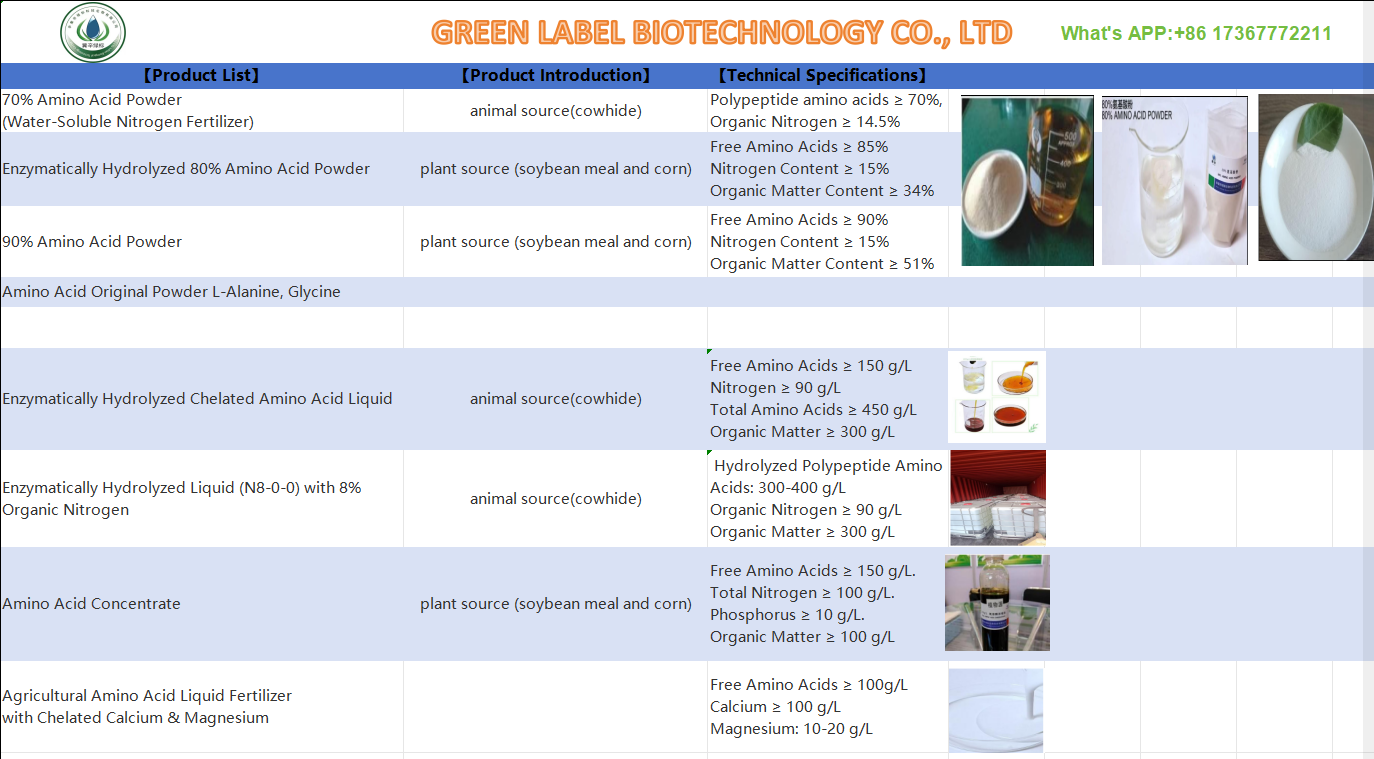
Organic nitrogen fertilizer is derived from natural organic materials and releases nitrogen gradually as soil microorganisms break it down. This slow-release process supports long-term soil fertility and sustainable crop production.
Organic nitrogen fertilizer is commonly used in:
Organic farming systems
Sustainable agriculture projects
Soil improvement programs
Chemical nitrogen fertilizers are synthetic or mineral-based products that supply nitrogen in a fast-acting form. They are widely used in conventional agriculture to achieve quick crop growth and high short-term yields.
Common chemical nitrogen fertilizers include urea and other nitrogen compounds.
Organic nitrogen fertilizer releases nitrogen slowly, matching plant uptake over time.
Chemical fertilizer releases nitrogen rapidly, which can lead to nutrient loss through leaching or volatilization.
Organic nitrogen fertilizer improves soil structure, organic matter, and microbial activity.
Chemical fertilizer may contribute to soil degradation if used excessively over long periods.
Organic nitrogen fertilizer has a lower environmental footprint, supporting sustainable agriculture practices.
Chemical fertilizer can increase the risk of water pollution and soil imbalance when misused.
Organic nitrogen fertilizer focuses on long-term soil productivity.
Chemical fertilizer focuses on immediate nutrient availability and fast results.
| Aspect | Organic Nitrogen Fertilizer | Chemical Fertilizer |
|---|---|---|
| Nitrogen Release | Slow and controlled | Fast and immediate |
| Soil Health | Improves soil fertility | May degrade soil |
| Environmental Impact | Lower | Higher |
| Sustainability | High | Limited |
| Suitable for Organic Farming | Yes | No |
For sustainable agriculture and long-term soil management, organic nitrogen fertilizer offers clear advantages. It supports:
Soil health improvement
Reduced environmental impact
Compatibility with organic and eco-friendly farming systems
Many international buyers are adopting organic nitrogen fertilizer as part of a balanced nutrient management strategy.
Global trends influencing procurement decisions include:
Growth of organic farming markets
Increasing environmental regulations
Demand for sustainable agricultural inputs
Long-term cost efficiency through soil improvement
As a result, organic nitrogen fertilizer is increasingly favored in export-oriented agricultural projects.
When sourcing organic nitrogen fertilizer for export markets, buyers typically consider:
Supplier manufacturing capability
Quality consistency and supply stability
Export experience and logistics support
Long-term cooperation potential
Choosing a factory-direct manufacturer and exporter helps reduce risk and ensures reliable supply.
For long-term soil health and sustainable agriculture, organic nitrogen fertilizer offers significant advantages.
In many applications, yes—especially in organic or sustainable farming systems. Some programs may use integrated approaches.
Yes. It is widely used in international markets focused on sustainable and organic agriculture.
Both organic nitrogen fertilizer and chemical fertilizer have roles in agriculture. However, as global demand shifts toward sustainability and soil health, organic nitrogen fertilizer is becoming a strategic choice for international buyers.
For importers and distributors seeking long-term value, environmental responsibility, and stable supply, organic nitrogen fertilizer offers a reliable solution.
If you are sourcing organic nitrogen fertilizer for overseas markets, working directly with a manufacturer provides advantages in quality control, pricing, and supply stability.
Contact us to request product specifications, bulk pricing, or export cooperation details.
Tags: biostimulant calcium rice based functional ingredients amino liquid 30% what is liquid aminos compound amino acid powder natural organic solution amino acids how to take what is amino liquid amino acid powder liquid amino acids for plants is liquid aminos good for you soy amino acids amino acid chelated calcium amino liquid supplement soy amino acid profile liquid aminos benefits
water soluble amino acids liquid fertilizers custom manufacturing
NPK 20-20-20 Liquid Fertilizer: Balanced Nutrition for All Crops
Feb. 24, 2026
NPK Solution: Complete Guide for Agriculture, Fertigation & Hydroponics
Feb. 24, 2026
NPK Fertilizer for Vegetables: Complete Guide to Higher Yields & Better Quality
Feb. 24, 2026
Hello, welcome to submit any questions and suggestions. We will reply to you as soon as possible. Thank you for your support and help.

Our team of experienced experts can’t wait to help you find the right solution for your business, Write to us and we'll get back to you!
CONTACT US TODAY