Oct. 14, 2025
Liquid amino acids for plants are an efficient, science-backed route to stronger growth, faster recovery from stress, and improved nutrient uptake. For agronomists, greenhouse managers, and crop formulators who want consistent field performance without complicated handling, this ingredient class delivers tangible results across vegetables, fruits, row crops, and specialty horticulture.
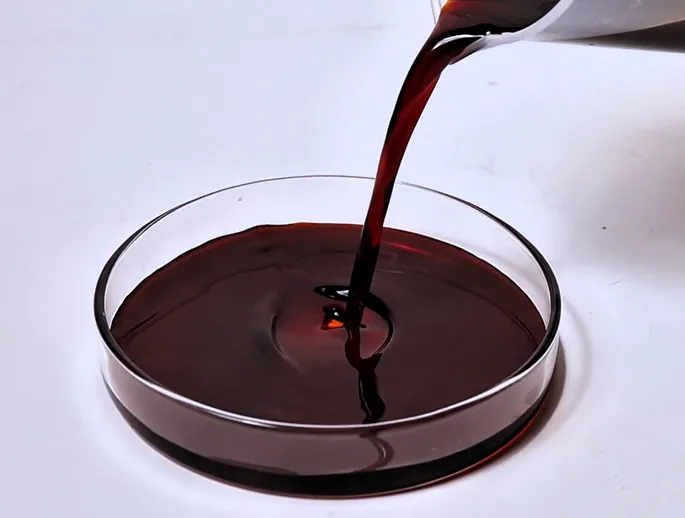
At their core, liquid amino acids for plants supply building blocks that plants use immediately for protein synthesis, enzyme activity, and stress response pathways. Unlike slow-release organic nitrogen sources, these liquids present low-molecular-weight compounds that are rapidly absorbed through leaves and roots. That speed of uptake means plants can use the applied material within hours, which is especially valuable during flowering, fruit set, or recovery after abiotic stress.
Beyond rapid uptake, the right liquid amino acids for plants improve the efficiency of other nutrients. Amino acids form natural chelates with micronutrients, helping minerals remain plant-available instead of precipitating out in irrigation water or binding to soil particles. For formulators, that means better product performance with lower application rates.
Growers who adopt liquid amino acids for plants typically report:
Faster recovery after heat, cold, or drought stress.
Better flower set and more uniform fruit sizing.
Cleaner leaf appearance and improved greening (chlorophyll).
Improved root vigor and earlier establishment after transplanting.
These effects are the result of both direct metabolic support and enhanced nutrient availability. When used alongside standard fertilizer programs, liquid amino acids for plants can lift performance without requiring major changes to existing fertigation schedules.
Not all liquid amino acids for plants are identical. Key differences stem from raw material source (plant, animal, microbial), the hydrolysis method used to produce the amino acids, and downstream refining steps. Enzymatically produced amino acid liquids usually exhibit milder taste profiles and lower residual salts than acid-hydrolyzed alternatives, which can be advantageous for foliar applications and for crops sensitive to chloride. Understanding these distinctions helps you select a product that meets both agronomic and regulatory needs.
Ask suppliers for the following documentation before trialing a new product:
Certificate of Analysis with amino acid profile.
Report on salts and residual chloride.
Microbial testing and heavy metals screening.
Recommended application guidelines and any crop-specific notes.
Liquid amino acids for plants are versatile and can be applied in many ways: foliar sprays, fertigations, transplant dips, and inclusion in tissue culture or greenhouse sprays. Two practical rules help maximize benefit:
Match the dose to crop stage. Use low-to-moderate rates during vegetative growth for root and leaf development, and targeted higher rates at flowering and fruit set to support reproductive success.
Pay attention to timing and environmental conditions. Early morning or late afternoon foliar sprays improve uptake and reduce photodegradation. Avoid foliar applications in the heat of the day.
Trial small plots first and record visual and yield metrics — improvements in set, color, and uniformity are often the earliest signs of success.
A quality liquid amino acid product will be formulated for compatibility with common fertilizers and adjuvants, but always run a jar test before mixing on-line. Amino acids can enhance the solubility of some micronutrients but may interact with highly alkaline or unstable products. When used in fertigation, ensure the product blends well with your irrigation water chemistry to prevent precipitation.
Across commercial trials, liquid amino acids for plants have shown benefits in diverse crops. For example, foliar sprays timed at pre-bloom and early fruit development improved fruit set and reduced drop in several orchard crops. In vegetable systems, transplant dips containing amino acid solutions produced more vigorous root systems and reduced time to harvest. In protected cultivation, regular inclusion in the fertigation program improved uniformity and shelf appearance at harvest.
These case studies consistently show the ingredient’s value as a performance enhancer rather than a primary source of macronutrients.
Price per liter is only part of the equation. Consider:
Yield uplift and quality premiums (reduced cull rates, better pack-out).
Reduced need for corrective treatments (less stress-related loss).
Operational savings from fewer reworks or retries in greenhouse settings.
A modest increase in input cost can be outweighed by higher marketable yield and improved crop uniformity. Work with your supplier to run a small-scale cost-benefit analysis based on your crop and market prices.
Reliable manufacturers supply up-to-date testing and traceability. If your production feeds into markets with specific certification requirements (organic, GM-free, etc.), confirm that the product’s source and manufacturing route meet those standards. Modern production methods and stringent QA avoid contaminants and minimize residues that could affect sensitive crops.
When evaluating suppliers of liquid amino acids for plants, prioritize:
Transparency in raw material sourcing and processing.
Clear COAs and batch traceability.
Technical support for trials and label-ready application guidance.
Reasonable lead times and secure logistics for seasonal demand.
A supplier who can provide pilot quantities, detailed application guides, and on-call technical support will reduce your development time and risk.
Liquid amino acids for plants are commonly supplied in drums or totes and can be handled with standard liquid-fertilizer infrastructure. Storage in a cool, shaded area preserves product stability. For long-term storage, follow supplier recommendations and ensure containers are sealed to prevent contamination.
Start with a small, controlled trial:
Select a representative block and split it into treated and untreated zones.
Apply according to supplier directions at key stages (transplant, pre-bloom, fruit set).
Track emergence, vigor, disease incidence, and marketable yield.
Compare both quality and economic outcomes, not just visual improvement.
Documenting results will let you scale up with clear expectations and allow for incremental optimization.
As growers focus on higher-quality produce and more efficient nutrient use, liquid amino acids for plants become a strategic lever. They support quick, targeted physiological responses, enhance nutrient efficiency, and improve resilience — attributes that matter in both open-field and controlled-environment agriculture.
NPK 20-20-20 Liquid Fertilizer: Balanced Nutrition for All Crops
Feb. 24, 2026
NPK Solution: Complete Guide for Agriculture, Fertigation & Hydroponics
Feb. 24, 2026
NPK Fertilizer for Vegetables: Complete Guide to Higher Yields & Better Quality
Feb. 24, 2026
Hello, welcome to submit any questions and suggestions. We will reply to you as soon as possible. Thank you for your support and help.

Our team of experienced experts can’t wait to help you find the right solution for your business, Write to us and we'll get back to you!
CONTACT US TODAY