Oct. 14, 2025
Hydrolyzed plant protein is fast becoming the go-to ingredient for formulators who demand excellent solubility, clean labeling, and superior mouthfeel without compromising on plant-based credentials. Whether you are developing high-protein beverages, meat alternatives, or nutrient-dense bars and shakes, choosing the right hydrolyzed plant protein can transform product performance — improving texture, digestive tolerance, and functional stability under a wide range of processing conditions.
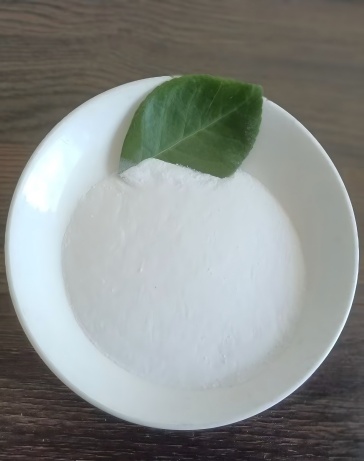
The value of hydrolyzed plant protein lies in its broken-down peptide structure. Compared to intact proteins, hydrolysates dissolve quickly, disperse easily, and are less likely to cause gritty textures. This makes them ideal for ready-to-drink beverages and clear protein waters where clarity and mouthfeel are critical. For powdered drinks and instant mixes, hydrolyzed plant protein provides fast hydration and minimal sedimentation.
Beyond functionality, hydrolyzed plant protein supports better digestibility and can reduce the occurrence of some common off-notes associated with native plant proteins. That means improved consumer satisfaction — especially among older adults, athletes, or anyone seeking a lighter digestive load while maintaining high-quality protein intake.
Rapid solubility and low viscosity at high protein loadings, enabling cleaner beverage systems and smoother textures in finished products.
Improved emulsification and foaming properties that support stable bakery fillings, aerated protein confections, and whipped applications.
Enhanced heat and pH stability — formulations that resist denaturation during pasteurization or baking retain desirable texture and nutrition.
Reduced bitterness and off-flavors when properly processed, giving a more neutral taste profile that blends well with natural flavors and sweeteners.
These advantages let R&D teams hit higher protein targets without sacrificing sensory quality — a major constraint when using unmodified plant protein concentrates.
Not all hydrolyzed plant proteins are created equal. The two principal production methods are acid hydrolysis and enzymatic hydrolysis. Enzymatic hydrolysis, when carefully controlled, produces lighter-colored, less salty, and less bitter hydrolysates that are generally preferred in food and beverage applications. Acid hydrolysis can deliver strong savory notes useful in bouillons or flavor systems but may leave higher residual salts unless further refined.
A quality supplier will disclose production methods and provide Certificates of Analysis (COA) showing protein content, degree of hydrolysis, sodium chloride levels, microbial testing, and any residual contaminants. Look for consistent batches, transparent manufacturing controls, and third-party testing when required for specialized markets like infant nutrition or medical foods.
Beverages & RTD (ready-to-drink): rapid hydration, clarity, and neutral taste make hydrolysates excellent for sports drinks, high-protein waters, and protein shots.
Meat Analogues: use hydrolyzed plant protein to boost umami and bind moisture while improving juiciness in extruded or formed products.
Nutrition Bars & Bakery: improved emulsification and mouthfeel allow higher protein inclusion with fewer processing issues and better shelf appearance.
Clinical & Medical Nutrition: easier digestibility and predictable amino acid availability make hydrolysates suitable where rapid absorption is needed.
Flavor Systems & Seasonings: darker, savory hydrolysates can enhance meaty notes in savory snacks and bouillons.
When comparing products, request the following data points:
Protein on dry matter (%)
Degree of hydrolysis (DH) or peptide profile
Solubility at target pH and temperature
Sodium/chloride content (important for downstream taste and label claims)
Microbiological profile (total plate count, yeasts, molds, pathogens)
Heavy metals and contaminants testing (including any processing artifacts)
Allergen declaration and traceability (soy, wheat, pea, etc.)
With these specs in hand, your lab can rapidly screen the best candidate for your formula and scale with confidence.
A sports RTD aiming for 20 g protein per 300 mL was experiencing sediment and chalkiness when using native pea concentrate. Switching to a mid-degree hydrolyzed plant protein reduced settling by over 65% and removed the chalky mouthfeel while keeping cost-in-use within budget. The final product achieved fast hydration, a clean finish, and favorable sensory scores in a consumer panel.
Similarly, a bakery manufacturer replacing 15% of their flour with a hydrolyzed wheat protein reported improved crumb softness and extended shelf life due to better moisture retention and enhanced water-binding.
Compliance is non-negotiable. Good manufacturers provide clear allergen information and show results for any process-specific contaminants. For example, some hydrolysis routes historically required attention to processing byproducts; modern enzymatic routes minimize those risks and lower residual salts — a benefit for both flavor and regulatory compliance. Always request up-to-date COAs and compliance documentation for target markets.
Total cost of ownership goes beyond the raw material price per kilogram. Consider yield (how much usable protein per batch), process efficiency (how a material affects line speed and fouling), sensory impact (helps reduce need for masking flavors), and shelf life contributions. A slightly higher raw material cost may be justified by reduced formulation complexity, lower flavor-masking expenses, and improved consumer acceptance that drives repeat purchases.
A reliable partner will offer:
Transparent manufacturing details (enzymatic vs acid hydrolysis)
Batch-to-batch consistency and COA traceability
Application support (sample testing, pilot runs, formulation guidance)
Scale capability and logistic reliability to match your production schedule
Ask for technical data, application notes, and references. A supplier who collaborates early in your product development phase can save months of reformulation and accelerate time-to-market.
Hydrolyzed plant protein is typically supplied as a powder. Keep these handling tips in mind:
Store in a cool, dry environment to maintain flowability and minimize caking.
Use first-in-first-out (FIFO) inventory to maintain freshness.
For high-humidity climates, consider desiccant-lined bags or controlled atmosphere storage in silos.
Validate your dosing and blending lines — hydrolysates hydrate quickly, so blending order and mixing intensity can affect final texture.
We provide a range of hydrolyzed plant protein grades designed for distinct applications: beverage-grade with ultra-fast solubility, culinary-grade for savory systems, and nutrition-grade for clinical and sports formulations. Each grade comes with detailed COAs, technical application guides, and sample programs to test in your specific matrix.
When you partner with us you get:
Dedicated technical support for formula optimization
Pilot-scale sample quantities and rapid turnaround for testing
Competitive pricing with secured supply chains for uninterrupted production
Consumer demand for clean-label, high-protein, plant-based products continues to rise. Formulators are under pressure to deliver better mouthfeel and functional performance while maintaining clarity and label simplicity. Hydrolyzed plant protein answers that call — offering functional superiority, improved digestibility, and formulation flexibility across a broad range of product categories.
If your goal is to raise protein targets while improving sensory quality and process robustness, hydrolyzed plant protein is a strategic ingredient choice. We’re ready to help you test samples in your formula, evaluate cost-in-use, and scale production with predictable quality and
NPK 20-20-20 Liquid Fertilizer: Balanced Nutrition for All Crops
Feb. 24, 2026
NPK Solution: Complete Guide for Agriculture, Fertigation & Hydroponics
Feb. 24, 2026
NPK Fertilizer for Vegetables: Complete Guide to Higher Yields & Better Quality
Feb. 24, 2026
Hello, welcome to submit any questions and suggestions. We will reply to you as soon as possible. Thank you for your support and help.

Our team of experienced experts can’t wait to help you find the right solution for your business, Write to us and we'll get back to you!
CONTACT US TODAY